
Skip to content
Edmonton lawn tips Media & News eco-friendly lawn tips

How Do I Control Quackgrass in My Lawn?

Neighbourhood Heroes


How to Get Rid of Quackgrass in Edmonton Lawns

Quackgrass (Elymus repens), also known as couch grass, is one of the most persistent and frustrating weeds for Edmonton homeowners. Its aggressive underground rhizomes can quickly take over your lawn, crowding out desirable turf and making weed control feel like a never-ending battle.

While Neighbourhood Heroes doesn’t offer targeted chemical treatments for quackgrass in your turf, you can still reclaim and protect your yard with the right DIY strategies. There are proven methods, both chemical and non-chemical, to keep this stubborn weed at bay. Here is your science-backed guide to reclaiming your Edmonton lawn.

What Is Quackgrass and Why Is It So Hard to Control?

Quackgrass is a perennial grass weed notorious for its rapid spread via tough, white rhizomes that snake beneath the soil surface. These rhizomes allow quackgrass to regenerate even after mowing or pulling, making it especially difficult to eradicate with simple hand-weeding or infrequent lawn care (Kolberg et al., 2017; Ringselle et al., 2020). In Edmonton’s cool climate, quackgrass thrives and can outcompete many common lawn grasses if left unchecked.

1. Early Identification

Catch quackgrass young. Weekly lawn inspections help you spot and tackle new patches before they spread. Look for:

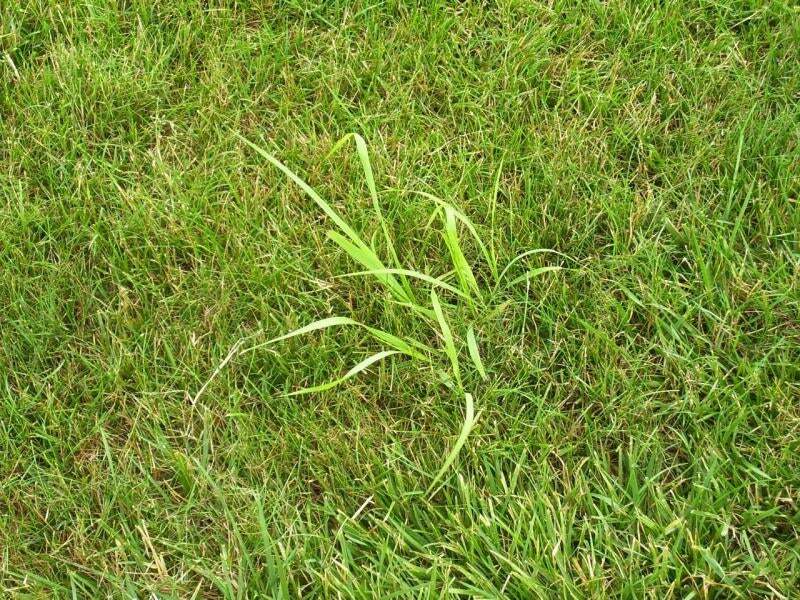
  • Leaf Characteristics: Broad, flat, rough leaves with a bluish-green hue and a prominent central vein.

  • Growth Habit: Shoots emerge from underground runners (rhizomes), often popping up feet away from the parent plant. When you pull up clumps, check for long, white underground stems (Kolberg et al., 2017)

  • Seed Heads: Slim, compact spikes that appear in early summer.

2. Non-Chemical Control Methods & Cultural Practices

A vigorous, dense lawn is your best defence against quackgrass. Strong grass shades the soil and crowds out weed seedlings.

Frequent Mowing & Lawn Competition

  • Mow at the Right Height: Mow regularly at a lower height (around 2.5 - 3" ) to stress the quackgrass by depleting its energy reserves (Kolberg et al., 2017;  Johnson & Dexter, 1939). Learn more in our post on ideal mowing heights for Edmonton lawns.

  • Overseeding: Overseed with competitive grasses or white clover. White clover has been shown to reduce quackgrass shoot numbers by up to 72% and rhizome biomass by 81% (Kolberg et al., 2017). For timing and methods, see our guide on the best time to overseed your lawn in Edmonton. 

  • Deep, Infrequent Watering: Water 2–3 times per week for 1 hour each session to encourage strong, deep grass roots rather than shallow weeds. Get the full details in our Alberta watering guide.

Manual & Mechanical Removal

  • Manual Digging: For small patches, water the area a day before digging to soften the soil. Use a weeding fork 6–8″ deep to lever out the entire rhizome network. Be vigilant—any leftover fragments will regrow.

  • Proper Disposal: Bag and dispose of all pulled material. Do not compost it, as fragments can re-root.

  • Alternative Approaches: For severe, non-turf infestations, solarization (covering areas with clear plastic during hot months to "cook" the roots) is a time-consuming but chemical-free option (Ringselle et al., 2020).

3. Chemical Control Options & Soil Health

Pre-Emptive Soil Health

Balanced soil helps your turf outcompete weeds. Consider liquid fertilization to feed your grass during active growth windows and maintain vigour. Compare our liquid nutrient options on our Services page.

Herbicides

  • Glyphosate (Non-selective): Spot-treat patches in late summer or early fall when the plant is moving nutrients into its roots (Ivany, 1981; Darwent et al., 1996). Use a shielded sprayer or paint it directly onto leaves to avoid harming your good grass. Note: Glyphosate kills all plants it contacts

  • Selective Grass Herbicides: Products containing sethoxydim or fluazifop can selectively target quackgrass in some lawn types, but always check compatibility with your turf species (Bruce & Kells, 1997; Ivany, 1988). Adding ammonium sulphate can improve performance (Ivany, 1988).

Environmental Considerations

Herbicides should be used judiciously due to potential environmental impacts. Integrated Pest Management (IPM) strategies—combining cultural, mechanical, and chemical controls—are recommended for sustainable weed management (Owen et al., 2015; Paveley et al., 2025).


Summary of Quackgrass Control Methods

Method Effectiveness Pros Cons Citations
Frequent Mowing & Competition High Safe; improves overall lawn health Requires strict consistency (Kolberg et al., 2017)
Overseeding / White Clover High Suppresses regrowth; eco-friendly May alter lawn appearance (Kolberg et al., 2017)
Manual Digging Moderate No chemicals; good for small patches Labour-intensive; regrowth is highly possible (Ringselle et al., 2020)
Glyphosate Spot Treatment High Very effective when timed correctly Kills all plants it contacts (Ivany, 1981; 1988)
Integrated Approaches Very High Long-term suppression Requires planning & multiple steps (Darwent et al., 1996)

When to Seek Expert Advice from Neighbourhood Heroes

Quackgrass doesn’t have to take over your Edmonton lawn. Start early, combine methods, and be persistent. Complete eradication may take several seasons due to the plant’s robust root system.

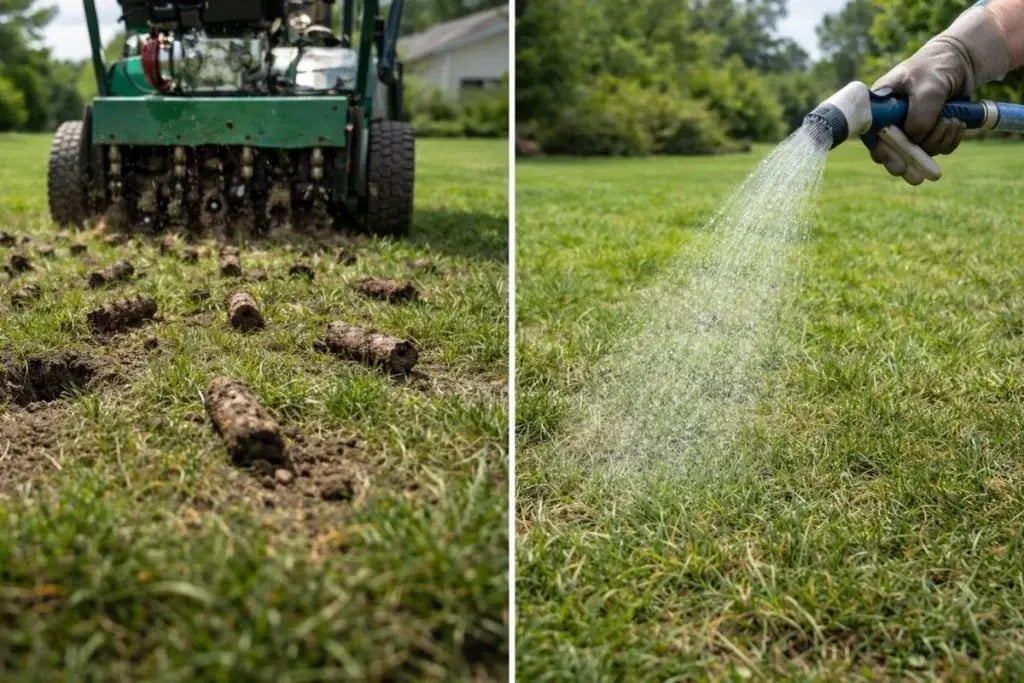
Please note: While we do not apply chemical treatments for quackgrass directly on your turf, Neighbourhood Heroes Edmonton can eliminate non-turf quackgrass (such as in garden beds or driveways). We are also here to provide expert cultural care—including mowing, irrigation advice, deep-core aeration, and fertilization—to keep your lawn thick enough to fight off weeds naturally.

For personalized lawn-care guidance and to build your natural weed defences,  contact us. 

References

Bruce, J., & Kells, J. (1997). Quackgrass (Elytrigia repens) Control in Corn (Zea mays) with Nicosulfuron and Primisulfuron

Weed Technology, 11, 373 - 378. Weed Technology, 10, 923 - 930. Weed Science, 29, 382 - 386. Canadian Journal of Plant Science, 68, 1095-1101. Agronomy Journal, 31, 67-76. Weed Science, 66, 215 - 225. Pest management science, 71 3, 357-76. Journal of Integrated Pest Management.


Share this post