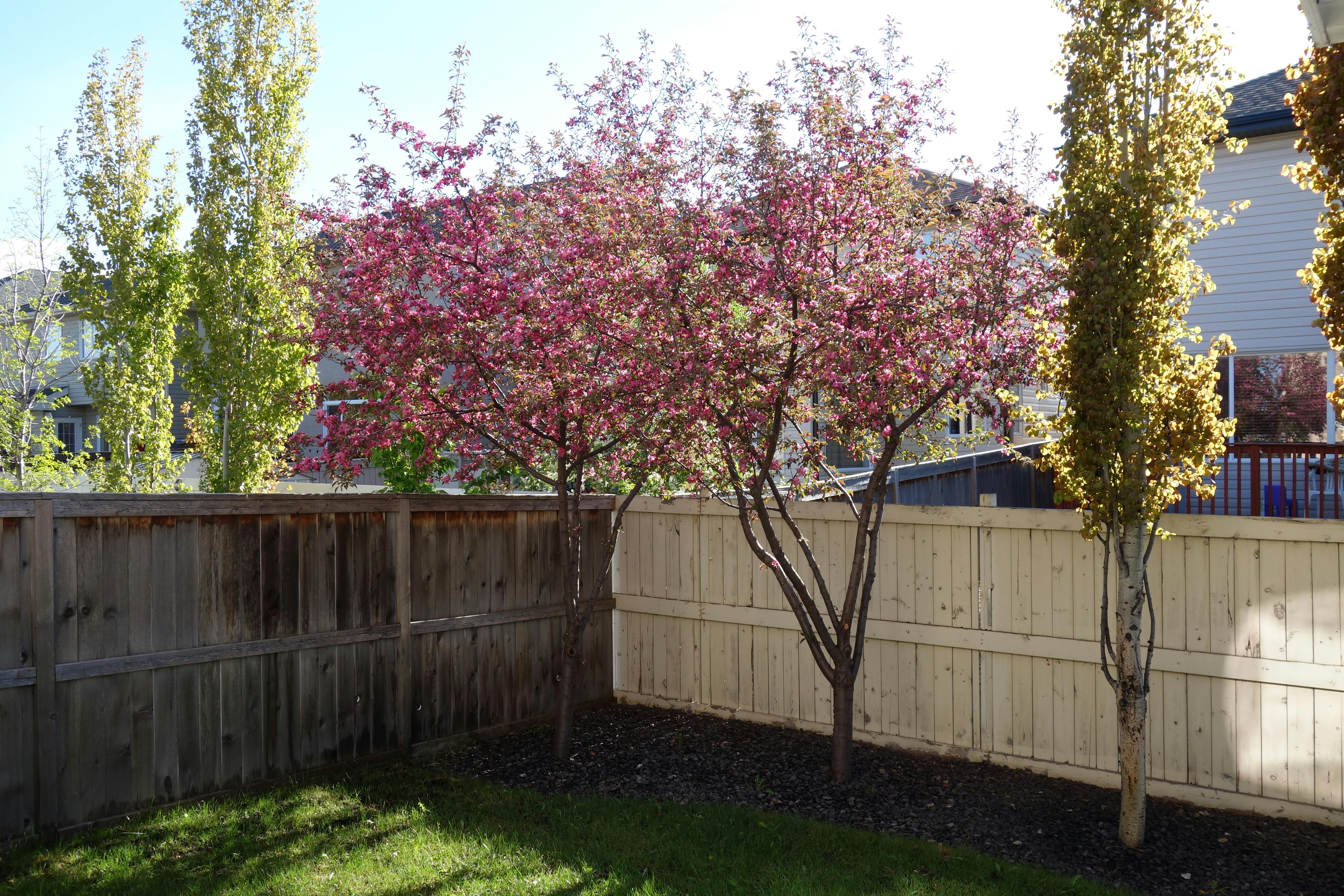
Planting a tree or shrub is one of the best ways to increase your property’s curb appeal and value. But growing a lush, healthy canopy in Edmonton isn't exactly easy.
Between the heavy clay soil, the dry summer heat, and the brutal freeze-thaw cycles of our Zone 4a winters, Alberta landscaping requires a tough, strategic approach. If you’ve just planted new shrubs, or you have mature trees that are starting to look a little sad, you need a plan.
Here is the ultimate beginner's guide to maintaining healthy trees and shrubs in Edmonton’s unique climate.
1. Watering: The "Deep and Infrequent" Rule
The number one mistake Edmonton homeowners make with their trees and shrubs is watering them exactly like their lawn.
Giving your trees a light, 10-minute sprinkle every day is actually harmful. Because Edmonton has dense clay soil, light watering only wets the top inch of dirt. This encourages tree roots to grow upward toward the surface, making them incredibly vulnerable to drought and winter freezing.
- The Fix: You need to water deeply and infrequently. Turn your hose on a slow trickle and leave it at the base of your tree or shrub for 30 to 45 minutes, once a week. This forces the water deep into the clay, encouraging the roots to grow downward where they are protected from extreme temperatures.
- Fall Watering: Never let your evergreens (like Spruce or Pine) go into winter thirsty. Give them a massive, deep soaking in late October before the ground freezes solid.
2. Pruning 101: Timing is Everything
Pruning removes dead wood, improves air circulation, and shapes your shrubs. But if you prune at the wrong time of year, you can severely damage the plant or invite disease.
- When to Prune: The best time to prune most trees and shrubs in Edmonton is late winter or early spring (March or early April) while the plant is still dormant. Because there are no leaves, you can easily see the branch structure, and the plant will heal the cuts quickly once spring growth begins.
- Spring-Flowering Shrubs: There is one exception! For shrubs that bloom early in the spring (like Lilacs and Forsythia), wait to prune them until right after they finish blooming. If you prune them in March, you will cut off all the flower buds.
- ⚠️ The Alberta Elm Tree Pruning Ban: If you have an Elm tree, it is illegal to prune it in Alberta between April 1 and September 30. Pruning during these months attracts the Elm Bark Beetle, which carries the deadly Dutch Elm Disease.
3. Feeding Your Trees: Overcoming Clay Soil
Trees in the forest get a constant supply of nutrients from decomposing leaves. Trees in your front yard don't. Furthermore, Edmonton's alkaline clay soil often "locks up" essential nutrients, making it hard for tree roots to absorb them.
If your tree leaves are turning pale green or yellow during the summer (a condition called chlorosis), it is likely starving for nutrients. Applying a slow-release granular fertilizer around the drip line (the area directly directly beneath the outer tips of the branches) in early spring can give your trees the boost they need to push through the clay.
4. Winter Protection: Surviving Zone 4a
Our winters are notoriously tough on young or newly planted trees and shrubs. Here is how to protect your investment:
- Mulch Heavily: Apply a 3-to-4 inch layer of wood mulch around the base of your trees and shrubs. This insulates the roots against freeze-thaw cycles and retains moisture. Pro tip: Do not pile the mulch up against the trunk like a volcano, as this causes the bark to rot!
- Wrap the Trunks: Young trees with thin bark (like Maple or Mountain Ash) are highly susceptible to Sunscald. On bright winter days, the sun heats the bark, and when the temperature drops rapidly at night, the bark splits open. Wrapping the trunk with a plastic tree guard in the fall prevents sunscald and stops mice and voles from chewing on the bark underneath the snow.
5. Watch for Common Pests
Keep an eye out for Aphids and Spider Mites, two common pests that love Edmonton’s dry summer heat. If you notice the leaves on your shrubs looking stippled, sticky, or covered in fine webbing, don't panic. Often, a strong blast of water from the hose is enough to knock these pests off. For severe cases, an application of organic insecticidal soap or dormant oil will clear them out safely.
Is Your Entire Yard Getting the Nutrients it Needs?
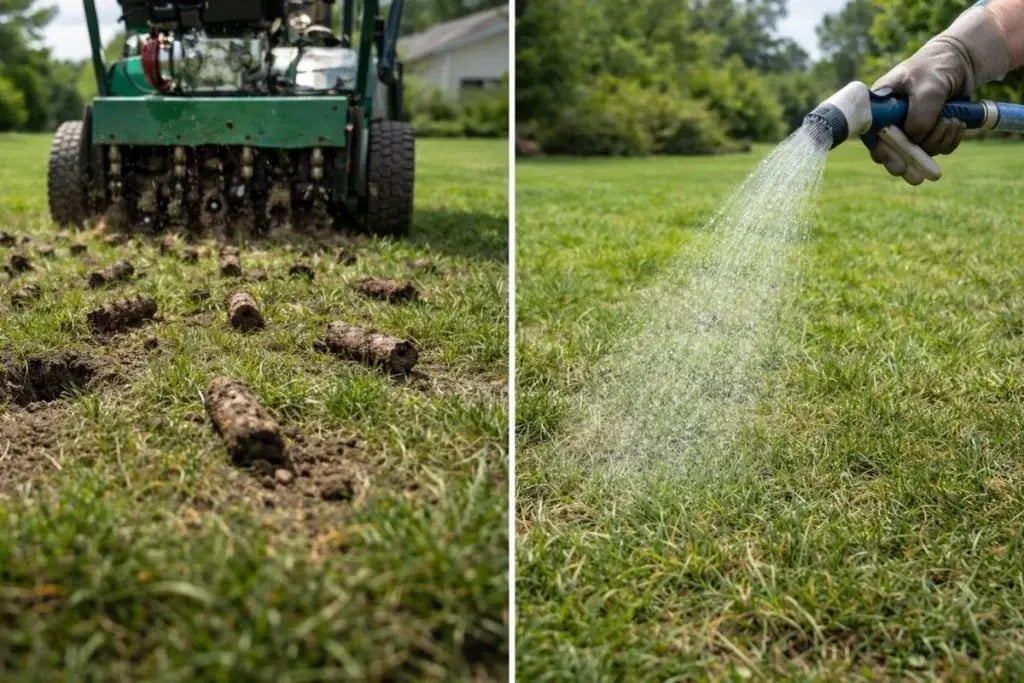
Healthy trees start with healthy soil. If your grass and trees are struggling to grow in compacted, hard clay, Neighbourhood Heroes can help. Our Deep-Core Aeration services relieve soil compaction across your entire property, allowing water, oxygen, and nutrients to finally reach the deep root systems of your lawn, trees, and shrubs.