Edmonton winters are legendary, and so are the snowfalls. While a fresh blanket of snow looks beautiful, waking up to a buried driveway means one thing: it’s time to shovel.
But before you grab that old plastic shovel and rush out into the cold, it's crucial to understand the toll this winter chore can take on your body. Shoveling snow is a strenuous cardiovascular workout that combines heavy lifting, freezing temperatures, and repetitive twisting.
At Neighbourhood Heroes, our student team handles the heavy lifting using state-of-the-art electric equipment, so you don't have to. If you are going to tackle the drifts yourself, here are the hidden health risks of improper snow shoveling and how to avoid them.
1. Lower Back Strain and Herniated Discs
This is the most common injury associated with winter weather. Snow—especially the wet, heavy "heart attack snow" we sometimes get—can weigh upwards of 20 pounds per shovelful.
- The Risk: Bending at the waist and twisting your spine to throw heavy snow puts immense pressure on your lower back. This repetitive motion can lead to severe muscle strains, pulled ligaments, or even slipped/herniated discs.
- The Fix: Always bend your knees and lift with your legs, keeping your back straight. Avoid twisting; instead, pivot your entire body to move the snow. Better yet, use a "pusher" or ergonomic sleigh shovel to avoid lifting entirely.
2. Heart Attacks and Cardiovascular Stress
It’s a frightening but very real statistic: emergency rooms see a significant spike in heart attacks following major snowstorms.
- The Risk: Cold air naturally constricts your blood vessels, decreasing blood flow to your heart. Combine that with the sudden, intense physical exertion of shoveling, and your heart rate and blood pressure can skyrocket to dangerous levels.
- The Fix: Treat shoveling like a heavy workout. Warm up your muscles inside first. Take frequent breaks (every 10-15 minutes), stay hydrated, and never shovel immediately after eating a heavy meal. If you have a history of heart issues, leave the shoveling to the pros.
3. Slips, Trips, and Falls
Snow rarely falls on dry ground. There is almost always a layer of hidden ice underneath, or ice that forms as you pack the snow down with your boots.
- The Risk: Slipping on black ice while carrying a heavy load of snow can result in concussions, broken wrists, fractured tailbones, or torn rotator cuffs.
- The Fix: Wear winter boots with heavy treads or slip-on ice cleats. Spread an eco-friendly traction aid (like sand or a pet-safe ice melt) before you start working to give your boots something to grip.
4. Frostbite and Hypothermia
When you're working hard, your body heats up and you sweat. But the moment you stop, that sweat can freeze.
- The Risk: Exposed skin can develop frostbite in minutes during extreme Edmonton cold snaps. Wearing the wrong fabrics (like cotton) traps sweat against your skin, rapidly dropping your core body temperature and leading to hypothermia.
- The Fix: Dress in breathable, moisture-wicking layers. Protect your extremities with thermal gloves, a warm toque, and a face covering.
The Neighbourhood Heroes Solution
Why risk your health when you have a team of energetic, community-driven students ready to help?
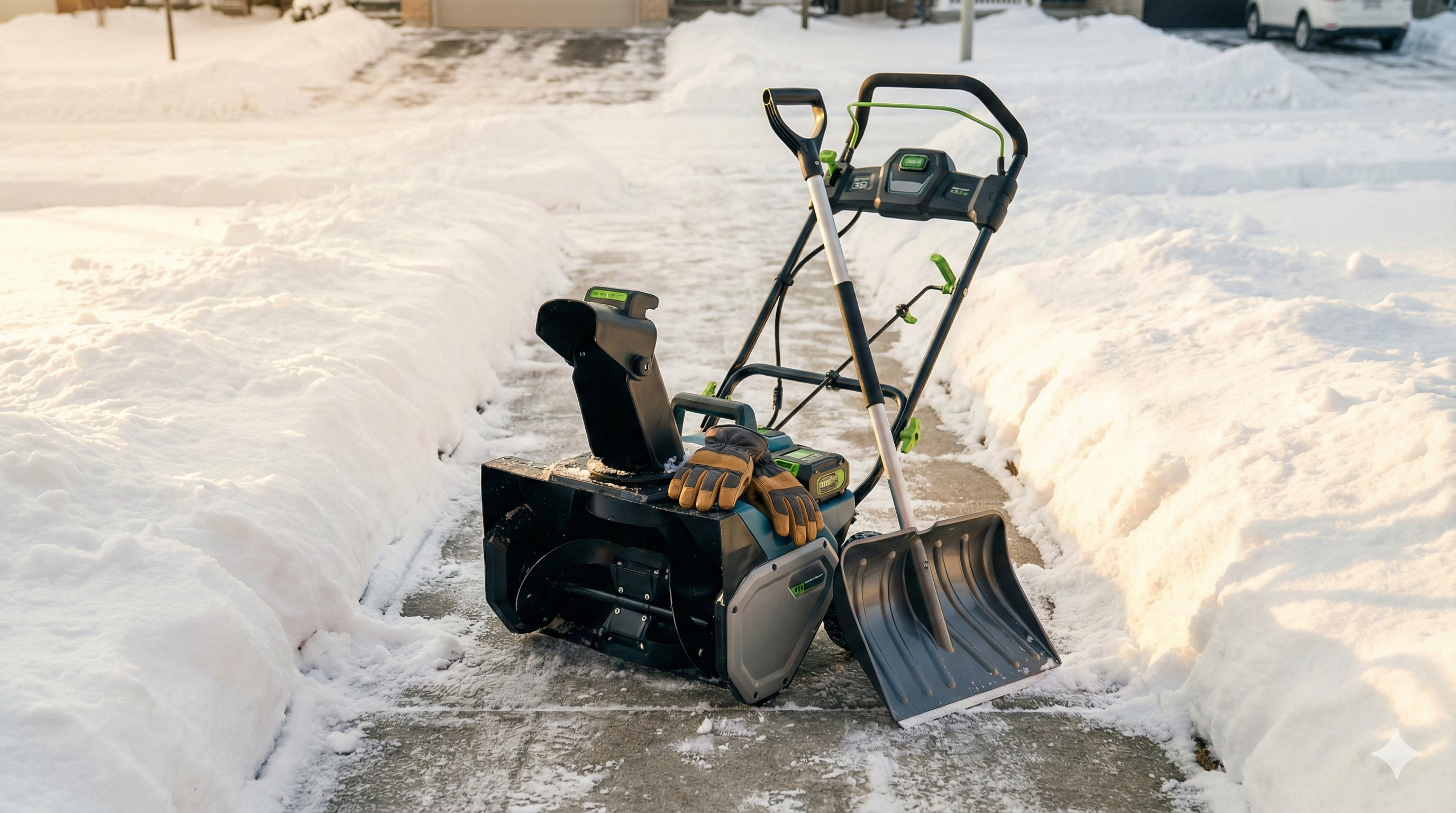
At Neighbourhood Heroes, we protect your property and your peace of mind. We utilize top-tier, battery-powered electric snow blowers and ergonomic shovels to clear your driveway efficiently. Our electric gear means zero harmful gas fumes, zero deafening noise, and a beautifully cleared path that saves your back.
Don't let the next storm become a medical emergency.
(Want more tips on shoveling safely? Read our full guide: What Is the Best Way to Shovel Snow for People With Back Problems?)
Snow shoveling is one of the most physically demanding winter chores—especially for people with back problems. In Edmonton, where snowfalls can be frequent and heavy, improper shoveling techniques can quickly lead to muscle strain, disc injuries, or long-term pain. The good news is that with the right approach, you can significantly reduce the risk of injury while keeping your walkways safe.
This guide covers safer snow-shoveling techniques, smart tools, and when it’s best to leave the work to professionals.
Why Snow Shoveling Is Hard on Your Back
Shoveling snow combines several high-risk movements: bending, twisting, lifting, and repetitive motion. Cold temperatures also tighten muscles, increasing the likelihood of strains. Wet, heavy snow adds extra load, which can put excessive pressure on the lower back and spine.
For anyone with existing back issues—or those trying to prevent them—technique matters just as much as effort.
1. Warm Up Before You Start
Cold muscles are more prone to injury. Before stepping outside:
- Do light stretches for your back, hips, and legs
- Walk for a few minutes to increase circulation
- Avoid rushing—especially early in the morning
Treat snow shoveling like physical exercise, not a quick chore.
2. Use the Right Shovel
The right equipment can make a noticeable difference:
- Lightweight shovels reduce strain
- Ergonomic or curved handles help maintain a neutral spine
- Smaller shovel blades limit how much snow you lift at once
Avoid metal shovels if possible—they’re heavier and harder on your back.
3. Push Snow Instead of Lifting
Whenever conditions allow, push snow to the side rather than lifting it. Pushing keeps your spine aligned and reduces compressive force on your lower back.
If you must lift:
- Lift small amounts
- Keep the shovel close to your body
- Avoid twisting—turn with your feet instead
4. Maintain Proper Shoveling Posture
Good posture is essential for back safety:
- Bend at the knees, not the waist
- Keep your back straight
- Engage your core muscles
- Avoid sudden or jerking movements
If snow is too heavy to lift comfortably, it’s best to stop and reassess.
5. Take Frequent Breaks
Snow removal doesn’t need to be done all at once. Taking breaks helps prevent fatigue, which is when injuries are most likely to occur. Pace yourself, hydrate, and listen to your body.
If pain begins—even mild discomfort—it’s a sign to stop.
6. Clear Snow Early and Often
Removing snow before it accumulates makes it lighter and easier to manage. Frequent clearing also reduces ice buildup, which lowers the risk of slipping and sudden movements that can aggravate back pain.
This approach aligns with best practices for winter safety and property maintenance.
7. Know When to Avoid Shoveling Altogether
For individuals with chronic back conditions, recent injuries, or mobility limitations, shoveling may not be advisable at all. In these cases, professional snow removal is often the safest option.
Reliable snow removal services help keep walkways and driveways clear without physical strain, especially during prolonged storms or freeze-thaw cycles common in Edmonton winters.
Final Thoughts
The best way to shovel snow with back problems is to prioritize safety over speed. Proper warm-ups, ergonomic tools, correct posture, and frequent breaks can reduce injury risk—but they don’t eliminate it entirely.
If snow shoveling consistently causes discomfort or pain, it may be time to consider alternatives that protect both your property and your health. Winter safety starts with knowing your limits. When you need a Hero, you know who to call.
![Neighbourhood Heroes Superman logo[668]-2-2](https://web.neighbourhoodheroes.ca/hs-fs/hubfs/Neighbourhood%20Heroes%20Superman%20logo%5B668%5D-2-2.png?width=3000&height=2385&name=Neighbourhood%20Heroes%20Superman%20logo%5B668%5D-2-2.png)