Winter in Edmonton doesn’t just affect driveways and sidewalks—it can also put your plants and landscaping at risk. While snow itself can provide an insulating blanket, heavy piles from shovelling or snow removal equipment may crush shrubs, bend branches, and damage delicate perennials. The good news? With a few careful strategies, you can keep your plants safe while still maintaining clear, accessible walkways and driveways.
Why Plants Are Vulnerable During Snow Removal
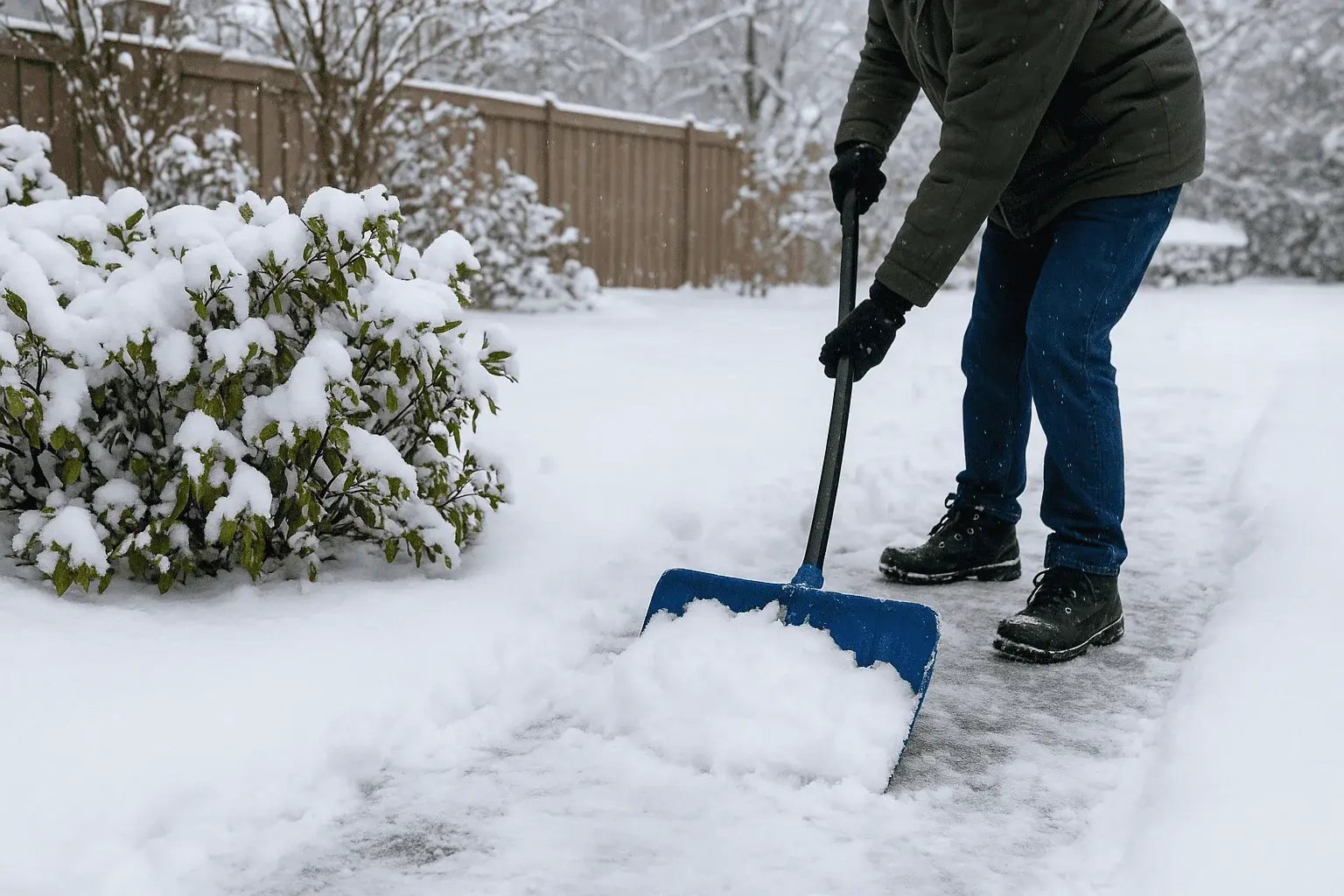
Snow acts differently depending on how it’s handled. Light, fluffy snow is generally harmless to plants, but wet or compacted snow can weigh them down and cause branches to snap. The real risk comes when snow is pushed, thrown, or piled directly onto garden beds during clearing. Without proper precautions, this can lead to broken branches, suffocated plants, and long-term damage to your landscaping.
1. Mark Off Planting Areas
Before the first big snowfall, place tall stakes, flags, or reflective markers around shrubs, flowerbeds, and garden edges. This makes it easy to see where plants are located—even under several inches of snow—and helps you or your snow removal crew avoid accidentally piling snow on top of them.
2. Avoid Piling Snow on Garden Beds
When clearing driveways or sidewalks, direct snow away from garden areas as much as possible. Heavy piles can crush plants and delay spring growth. Instead, designate snow storage areas in spots with no landscaping to prevent accidental damage.
For more on safe snow practices, see our post: How Often Should I Clear Snow From My Sidewalks?
3. Wrap or Cover Vulnerable Shrubs
Delicate evergreens, hedges, and ornamental shrubs are especially at risk. Wrapping them in burlap or using a protective frame (like wooden stakes with mesh) can shield them from heavy snow and drifting piles. This extra step can prevent bending, breakage, and winter burn.
4. Use Ice Melt Products Carefully
Salt-based ice melts can harm both plants and soil. When snow melts in spring, the salt can leach into garden beds, drying out roots and stunting plant health. Safer alternatives like calcium magnesium acetate or sand help keep walkways safe without harming your landscaping.
Check out our post: How Do I Prevent Ice Damage to My Driveway This Winter? for more safe ice melt tips.
5. Choose Professional Snow Removal Services That Care for Landscaping
Not all snow removal services prioritize landscaping protection. At Neighbourhood Heroes, we use fully electric equipment and take care to avoid piling snow onto garden beds. Our packages also include add-ons like Sand and Ice Melt Application to keep surfaces safe without damaging nearby plants.
If you’re wondering what to look for in a provider, don’t miss our guide: How Do I Choose the Right Snow Removal Service in Edmonton?
Final Thoughts
Protecting your plants during snow removal is all about planning ahead. By marking planting areas, avoiding snow piles on garden beds, wrapping vulnerable shrubs, and using plant-safe ice melts, you’ll set your landscaping up for a healthy spring comeback. For Edmonton homeowners, the easiest way to balance plant protection and property safety is to rely on professionals who understand the importance of careful, eco-friendly snow management.
👉 Contact Neighbourhood Heroes today to learn more about our snow removal packages and how we keep your property safe—plants included.