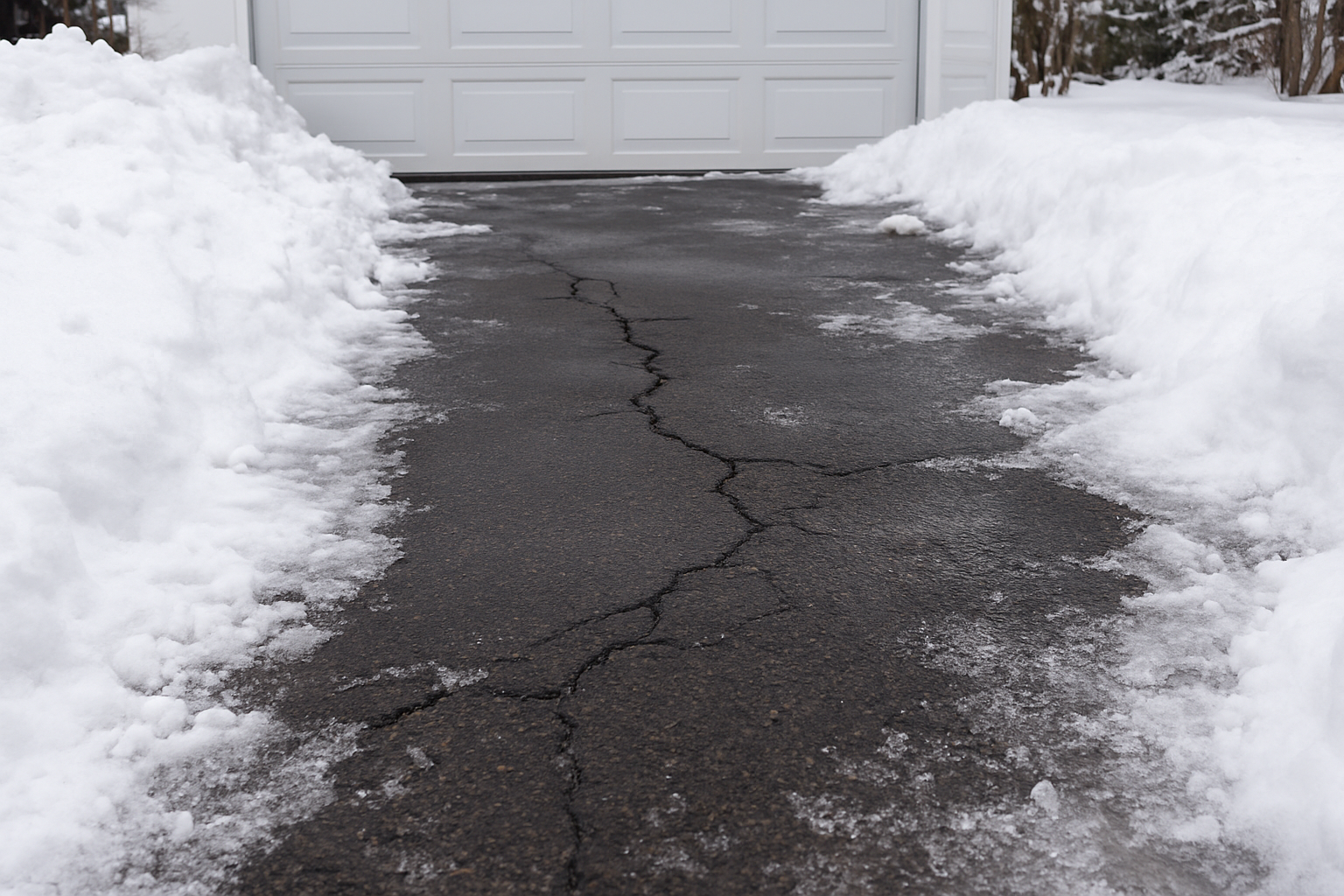
Edmonton’s harsh winters can be brutal on driveways. Between heavy snow, ice buildup, and constant freeze-thaw cycles, even the strongest concrete or asphalt surfaces can develop cracks. If those cracks freeze after snow removal, the damage can worsen quickly — leading to deeper fissures, surface erosion, and expensive repairs in the spring.
Here’s how to identify, manage, and prevent frozen driveway cracks during winter.
1. Understand Why Driveway Cracks Freeze
When temperatures drop after a thaw, water seeps into existing driveway cracks and freezes. As ice expands, it widens those cracks and weakens the material around them. If you’ve just cleared snow from your driveway and notice moisture pooling, that’s a sign freezing could occur overnight.
This process is one of the main causes of long-term driveway damage in Alberta’s climate. You can read more about preventing ice damage in our guide:
👉 How Do I Prevent Ice Damage to My Driveway This Winter?
2. Clear Snow Promptly — Don’t Let It Sit
Even small amounts of snow left on the surface can melt during the day and refreeze at night, feeding existing cracks. Regular snow clearing prevents this cycle.
At Neighbourhood Heroes, both our Essential Removal’s and Pristine Removal’s packages include unlimited snow removal visits throughout the winter — meaning we clear your driveway within 24 hours for every 2 cm snowfall, as many times as needed. Consistent clearing helps reduce freeze-thaw damage dramatically.
You can compare our service options here:
👉 Neighbourhood Heroes Snow Removal Services
3. Avoid Using Harsh De-icers
Many homeowners turn to rock salt (sodium chloride) to melt driveway ice, but it can actually accelerate cracking by corroding the surface. Instead, use calcium magnesium acetate or calcium chloride, which are gentler on concrete.
If you’re curious about how these materials affect your environment, check out our post:
👉 What Is the Environmental Impact of Snow Removal Chemicals?
4. Seal Small Cracks Before Deep Freezes
If temperatures are still hovering above freezing, apply a cold-weather crack filler to small fissures. This prevents moisture from entering and freezing later. If it’s already mid-winter and the cracks are frozen solid, wait until early spring to perform repairs — applying filler now could trap ice inside and worsen the damage.
5. Maintain Good Drainage Around the Driveway
Make sure melting snow drains away instead of pooling. Use snow stakes or barriers to keep plowed snow from blocking runoff paths. Good drainage not only prevents freezing but also reduces long-term structural damage to both asphalt and concrete.
6. Schedule Post-Winter Repairs Early
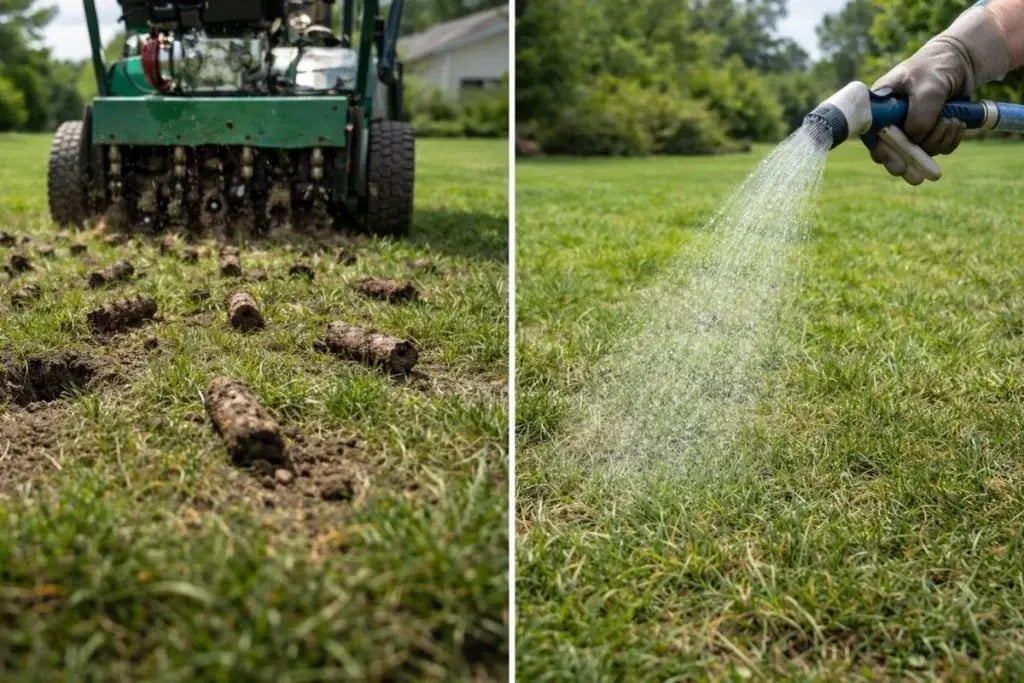
Once temperatures rise, inspect your driveway for any widening or deepened cracks. Early repairs prevent further damage during spring thaws and heavy rains. Many homeowners schedule this along with spring lawn care and aeration to restore their property for the new season.
Learn more about lawn and soil recovery here:
👉 How Can I Improve Soil Quality for My Lawn?
Final Thoughts
Frozen driveway cracks can be prevented — and even minimized — with the right snow removal habits and maintenance. Regular clearing, proper drainage, safe ice melt products, and proactive sealing all make a big difference.
For dependable winter care, trust Neighbourhood Heroes to keep your driveway clear, safe, and protected all season long.
👉 Contact Us today to learn more about our Essential and Pristine Removal’s Packages.